
From regenerative farms to shoreline restoration, attractions across the Commonwealth offer real-world examples of eco-conscious travel ahead of Earth Day.
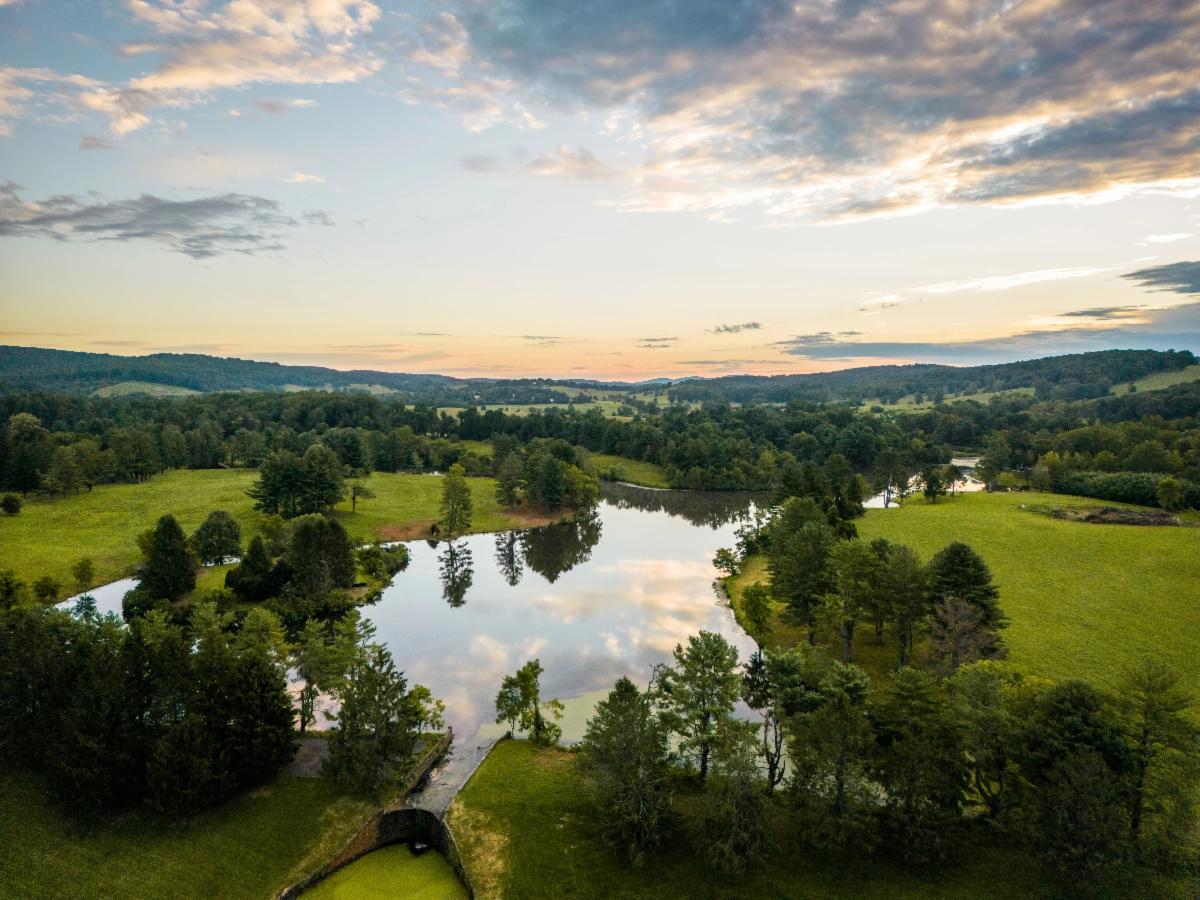
As sustainability continues to shape the future of travel, Earth Day offers a timely opportunity to highlight destinations leading with purpose. Few realize that Earth Day has roots in Virginia, where its concept first took shape in 1969 at Airlie House in Warrenton.
That legacy of stewardship continues across the Commonwealth today. From shoreline restoration and regenerative farms to eco-conscious hotels and community-driven conservation, Virginia offers rich examples of tourism and sustainability working hand in hand.
As you plan Earth Day and sustainability coverage, consider Virginia as both the birthplace of a movement and a living laboratory for responsible travel.
Farm-to-Table Dining Rooted in Regenerative Agriculture
At the Goodstone Inn in Middleburg, Virginia, dining is rooted in the land itself, with ingredients sourced directly from the on-site working farm. Fresh eggs from the coops and honey from the property’s hives reflect the character of the landscape in every meal. This commitment extends to regenerative farming practices such as crop rotation and the use of native, pollinator-friendly plants that support biodiversity and attract birds, bees, and butterflies.
Guests can experience the farm firsthand on guided tours, meeting the property’s cows, chickens, and llamas while learning from the inn’s expert team.
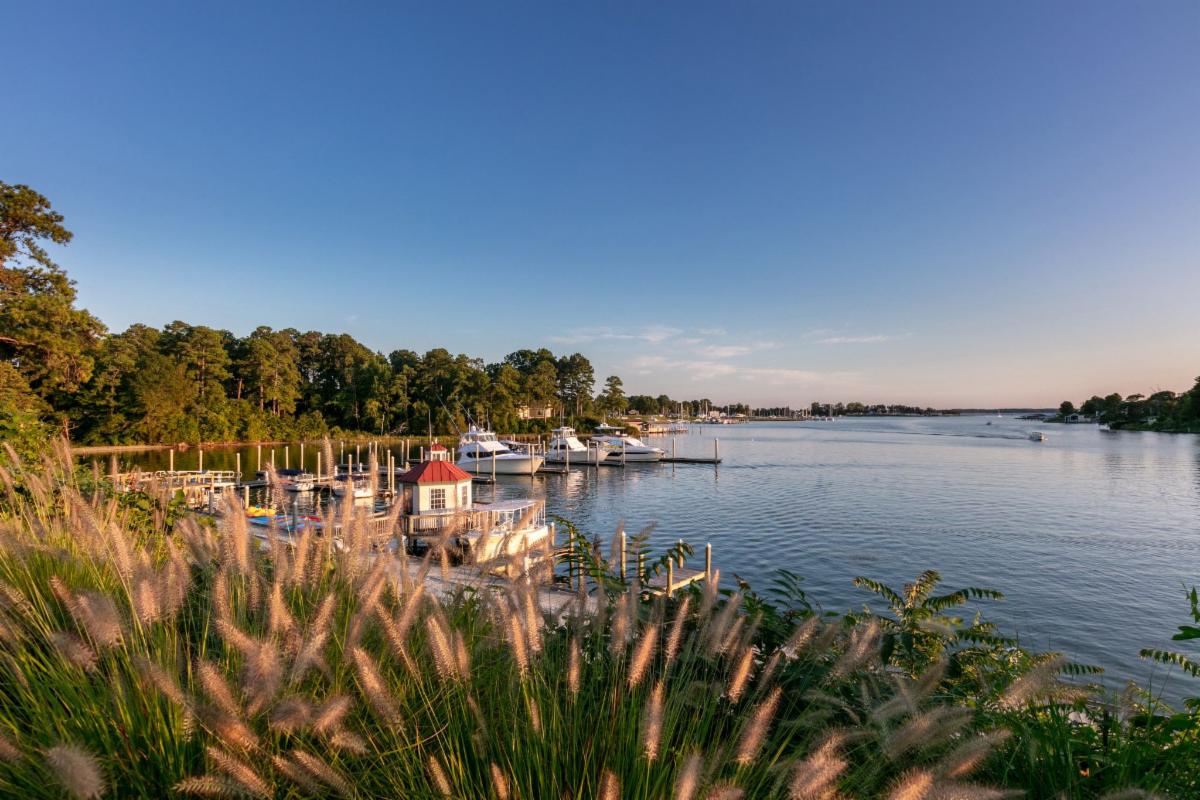
Shoreline Restoration & Luxurious Waterfront Lodging at The Tides Inn
With sustainability at the core of the property, the Tides Inn embarked on a $3.6 million Shoreline Restoration Project in 2023, which created 18,000 square feet of new natural shoreline, developed an Eastern Oyster reef, planted wetland grasses, preserved existing fauna, and more.
Since the project began, the restored shoreline and living oyster reefs have transformed what was once a blank sand-and-mud bottom into a thriving habitat, increasing the abundance of fish, crabs, and even seahorses. The resort plants roughly one million live oysters each summer in partnership with Friends of the Rappahannock. These oysters filter tens of millions of gallons of water daily, dramatically improving water clarity.
Sustainability initiatives are led by the property’s on-site ecologist, Will Smiley, who also leads a bevy of hands-on programming dedicated to educating guests on how the flora and fauna of the Chesapeake Bay work together to sustain biodiversity, with favorites including Chesapeake Gold – an Oyster Experience, Beautiful Swimmers – a Blue Crab Experience, and tours of the 1,300-foot Shoreline Trail.
The property transforms each guest experience into an opportunity to witness and participate in conservation and regeneration, creating a thriving sanctuary for wildlife and inspiring guests to become environmental stewards themselves.
Yorktown: A Historic Destination Embracing Modern Sustainability
As a proud member of the Virginia Green program, Yorktown is committed to preserving its natural beauty while promoting sustainable tourism. Across the waterfront and throughout York County, eco-friendly practices are thoughtfully integrated into daily operations—from geothermal heating and cooling at Riverwalk Landing to EV charging stations, LED lighting, and bike-friendly pathways that encourage low-impact travel.
Visitors will find sustainability woven into experiences, with reusable products, recycling efforts, and environmentally conscious vendors at events like Yorktown Market Days, making it easy to enjoy Yorktown responsibly.
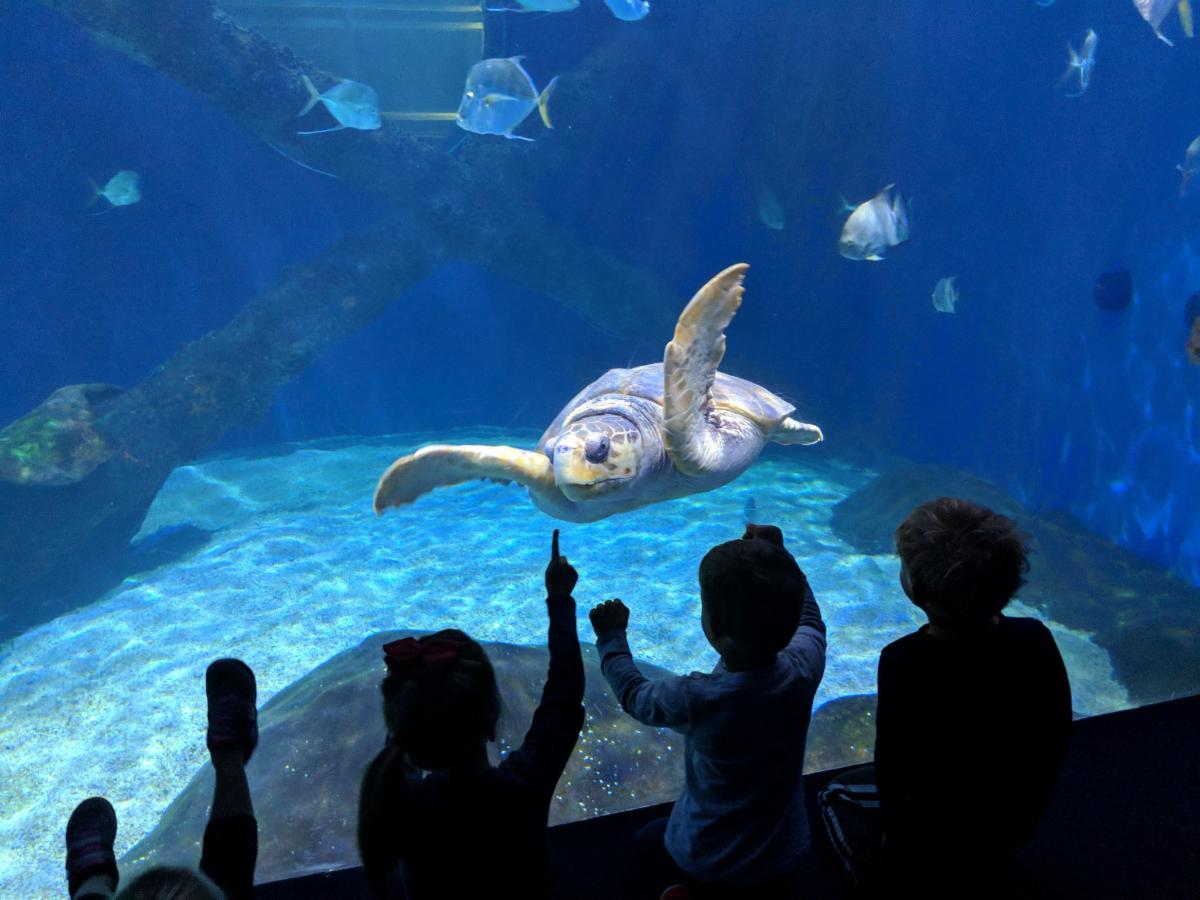
Inside Virginia’s Frontline Efforts to Rescue Marine Wildlife
The Virginia Aquarium & Marine Science Center Stranding Response Program coordinates responses for all marine mammals and sea turtles on Virginia’s 7,000 coastal miles. This nationally recognized team of staff and volunteers works 24 hours a day and 365 days a year responding to stranded animals, providing exceptional medical care and rehabilitation support. Since the program’s inception more than 30 years ago, the team has responded to more than 10,000 stranded marine mammals and sea turtles.
The aquarium also participates in OspreyWatch, a global monitoring project where citizens and scientists collect data on breeding osprey. They monitor ospreys that build nests and raise their young along the Lynnhaven River, home to the largest population of breeding osprey.
Sea Turtle Stranding Response Work Image Collection
Marine Mammal Stranding Response Work Image Collection
Virginia’s Only Certified Organic Winery Sets the Standard
Loving Cup Vineyard & Winery is the only certified organic vineyard and winery in Virginia, and one of only three on the East Coast. Located along the famed Monticello Wine Trail in Albemarle County, this family-owned and operated winery creates delicious wines that reflect the beauty of nature. Choosing hybrid grape varietals resistant to diseases helps maintain organic growing conditions.
The winery is certified by Quality Certification Services, the USDA’s organic enforcement arm, every year to ensure the stringent requirements are upheld. Additionally, they maintain a robust population of beneficial insects to keep the more harmful bugs at bay.
Give Back to Nature with a Magical LeFay Cottage Stay
Set on five acres at the foot of the Blue Ridge Mountains, LeFay Cottage at Little Washington integrates sustainability into its guest experience through its Enchanted Garden Initiative, emphasizing biodiversity, seasonal planting, and a deep connection to the natural environment. Proceeds raised from the initiative are used in conjunction with hands-on community efforts to build and maintain local gardens.
In addition to the Enchanted Garden Initiative, the cottage’s on-site lavender farm and cultivated gardens are designed not only for aesthetic appeal but to support pollinators and encourage regenerative land use, reflecting their commitment to preserving the natural landscape.
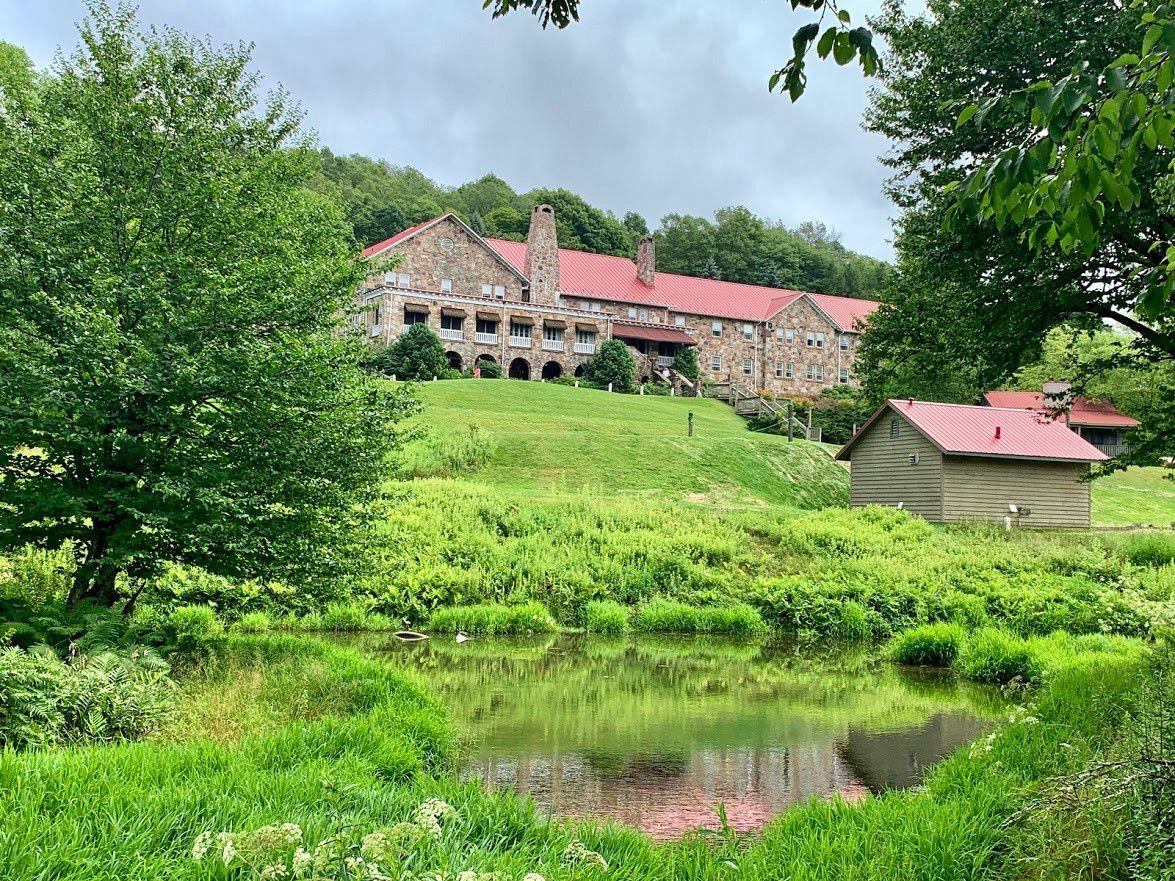
Restoring Trails & Protecting Wilderness at Mountain Lake Lodge
Mountain Lake Lodge sits within 2,600 acres of protected Appalachian forests in Giles County and has stewarded this ecologically significant landscape since 1851. As a member of Historic Hotels of America, the lodge partners with the Mountain Lake Conservancy to support conservation efforts across the surrounding wilderness, including trail restoration, native habitat preservation, and watershed protection that sustains the biodiversity of the Jefferson National Forest corridor.
The property offers more than 22 miles of maintained hiking trails and a dedicated Trail Center, providing structured access to the Appalachian ecosystem while emphasizing responsible land use. More than minimizing impact, Mountain Lake Lodge serves as a living laboratory for responsible tourism—demonstrating how historic hospitality can actively contribute to environmental restoration and long-term conservation.